
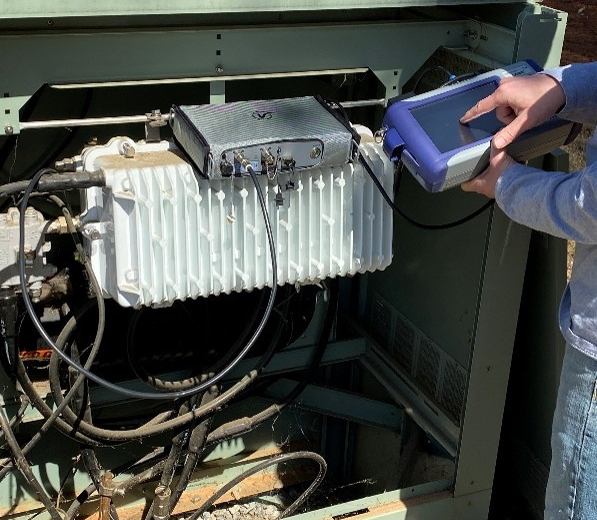
As cable networks transition to High-Split architectures and DOCSIS 4.0, traditional sweep methods become inefficient, impractical, or incompatible with modern DAA architectures. The VeEX SWP-BOX™ solution modernizes plant validation by enabling true single-technician sweep operations directly from the field, removing reliance on headend-based sweep resources.
By injecting controlled signals into the network, the SWP-BOX paired with the CX380C enables technicians to measure, balance, and certify forward spectrum up to 1.8 GHz and return spectrum up to 204 MHz, eliminating coordination requirements and associated delays.
Key Applications & Value
Here are some applications and benefits examples for a self-contained portable sweep system.
1. Plant Pre-Qualification
High speed Internet access services is a very competitive arena. Is your current HFC network ready for Mid-Split, High-Split or Extended Spectrum DOCSIS (ESD)?
How it Works
- SWP-BOX connects at the node output or R-PHY shelf
- CX380C builds a sweep profile using live channels, no engineering files required
- Full downstream sweep from legacy spectrum through 1.2 GHz or 1.8 GHz
What You Gain
- Validation of coax and hardline limits
- Confirmation of passive device bandwidth capability
- Visibility into node output flatness and roll-off
2. Daily Maintenance & Balancing
Streamline routine operations with fewer resources and optimize workflow.
How it Works
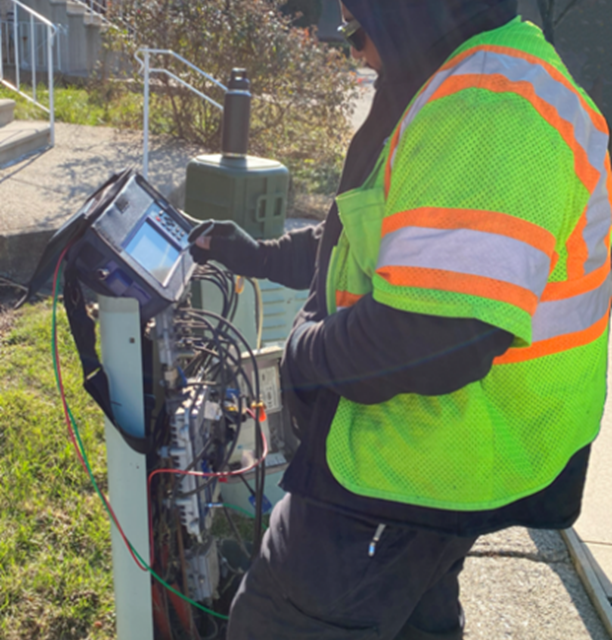
- Single technician injects sweep at node or first active device
- Walk-out balancing with real-time adjustments using CX380C
What You Gain
- Eliminates need for headend coordination
- Removes requirement for a second technician
- Real-time gain and slope optimization
- Replaces traditional two-truck balancing workflows
3. High-Split Return Path Alignment
Ensure upstream performance after passive and active mid-split and high-split upgrades or amplifiers maintenance.
How it Works
- SWP-BOX injects controlled return sweep up to 204 MHz
- CX380C measures insertion loss and tilt across actives
What You Gain
- Faster return path normalization
- Detection of damaged drops and passives
- Reduced post-upgrade noise and performance issues
4. DAA / R-PHY Validation
Maintain visibility in distributed architectures.
How it Works
- SWP-BOX acts as a localized sweep source in unmanned hubs
- Full control via CX380C in the field
What You Gain
- Validation of RF distribution post R-PHY turn-up
- Continued sweep capability without legacy RF infrastructure
5. Construction Closeout & QA
Certify plant readiness before activation.
How it Works
- Post-construction sweep validates full spectrum performance
- Trace results saved and uploaded to VeSion R-Server
What You Gain
- Documented proof of plant readiness
- Fewer repeat truck rolls
- Confidence in DOCSIS-ready deployment
6. Advanced Troubleshooting
Resolve complex and intermittent issues faster.
How it Works
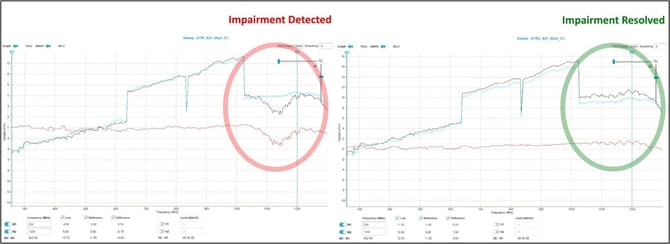
- High-resolution sweep identifies subtle impairments
- Detects micro-reflections, connector degradation, and roll-off
What You Gain
- Faster root cause identification
- Reduced “ghost” issues and repeat escalations
- Improved network stability and performance
Summary of Core Benefits
- Single-technician operation
- No headend sweep dependency
- Supports DOCSIS 3.1 1.2 GHz and DOCSIS 4.0 1.8 GHz architectures
- Reduces maintenance windows
- Minimizes repeat truck rolls